
Articles
Training, season planning, and performance guidance for motocross riders and families.

“Seiji wasn’t just my coach—he was my performance system. He kept me durable through full seasons of travel, managed the little injuries before they became big ones, and made sure my recovery and mindset matched the demands of racing.”
— Andrew Short, Veteran AMA Pro Motocross & Supercross Racer
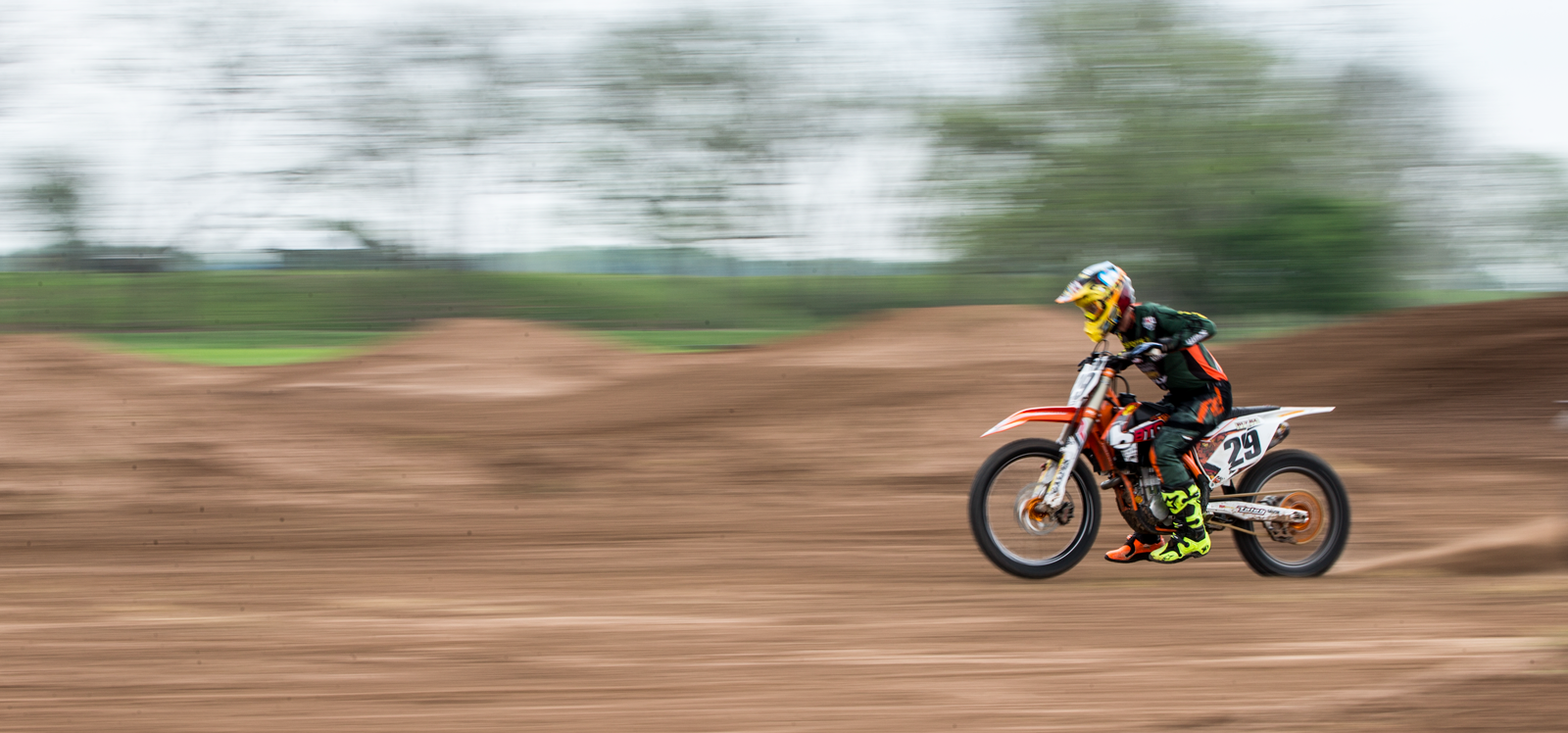
Your Fitness Didn’t Disappear. Your Schedule Did.
Training usually falls apart when the week changes, not because a rider suddenly got lazy or lost fitness. The answer is not always a harder reset. Often, it is building the smallest useful week you can actually repeat.
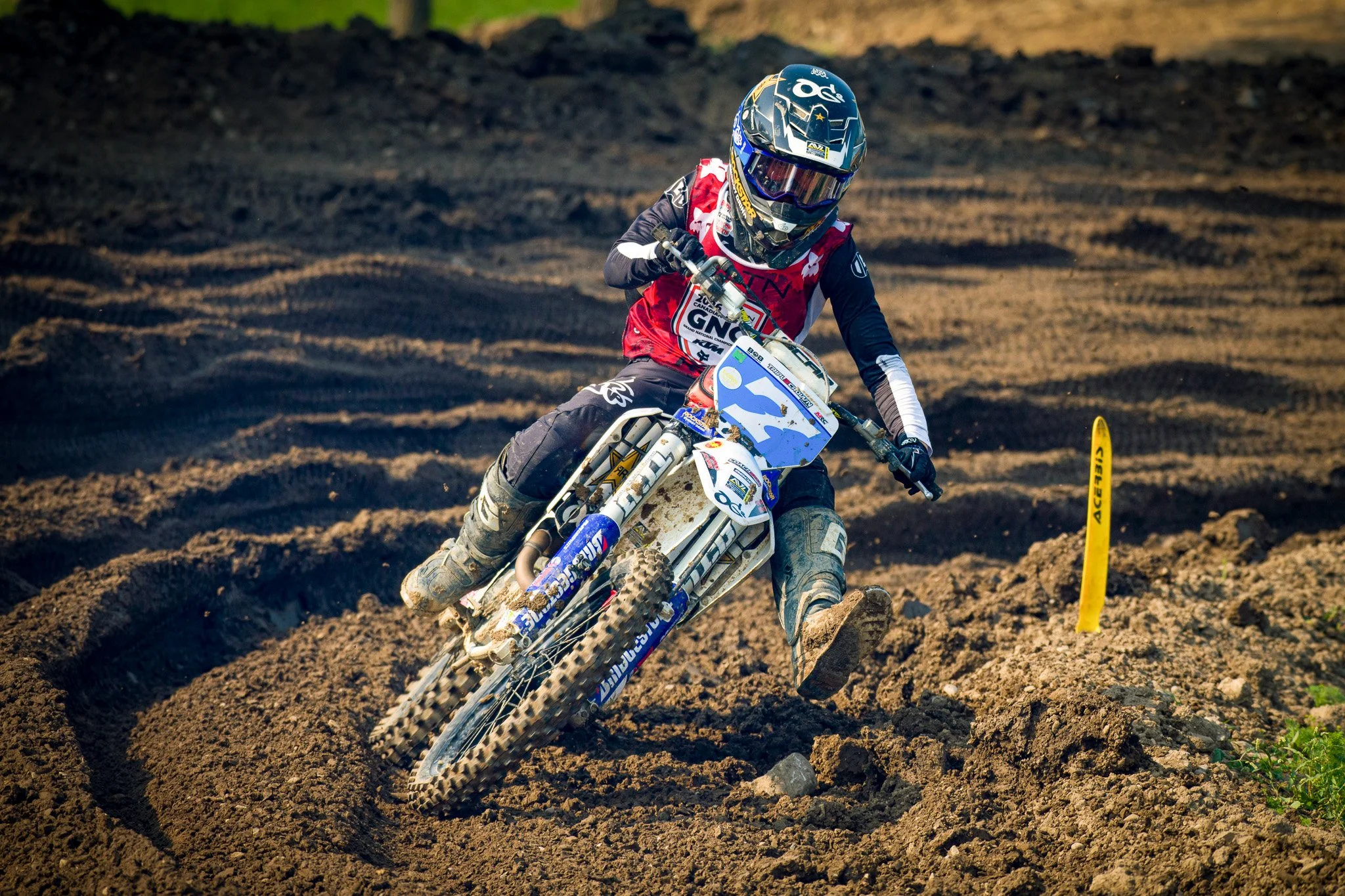
Your Season Isn’t a Failure Because You’re Not at Loretta’s
Loretta’s week can make riders and parents start measuring their entire season against one race. The event matters, but it should not become the only scoreboard. Your season still counts, even if it does not end in Tennessee.
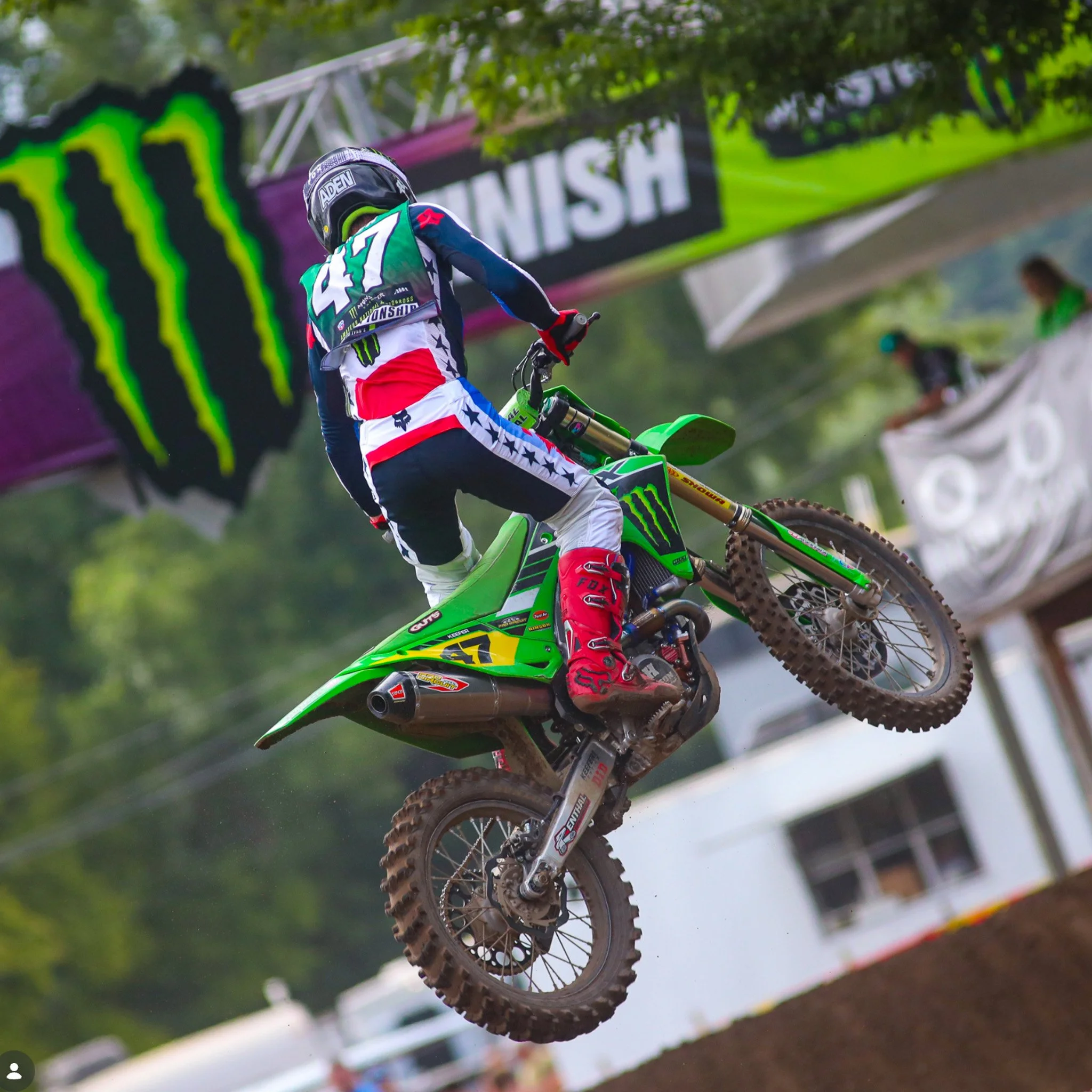
The Event is Bigger. Your Job Isn’t.
When riders arrive at an important race, many assume they need something extra. In reality, the fitness is built, the bike is ready, and the preparation is complete. The challenge isn't becoming a different rider—it's trusting the one you've already built.
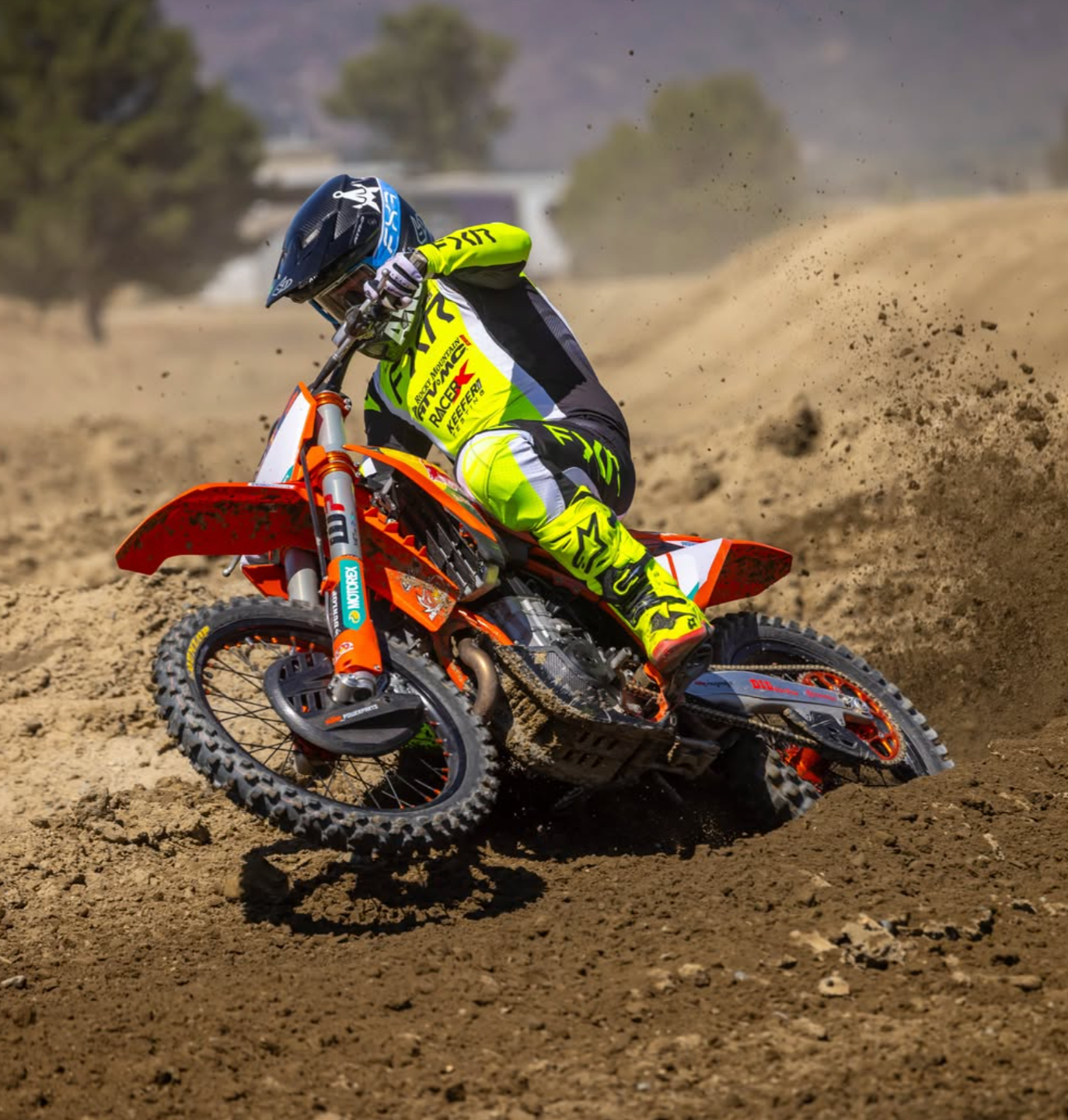
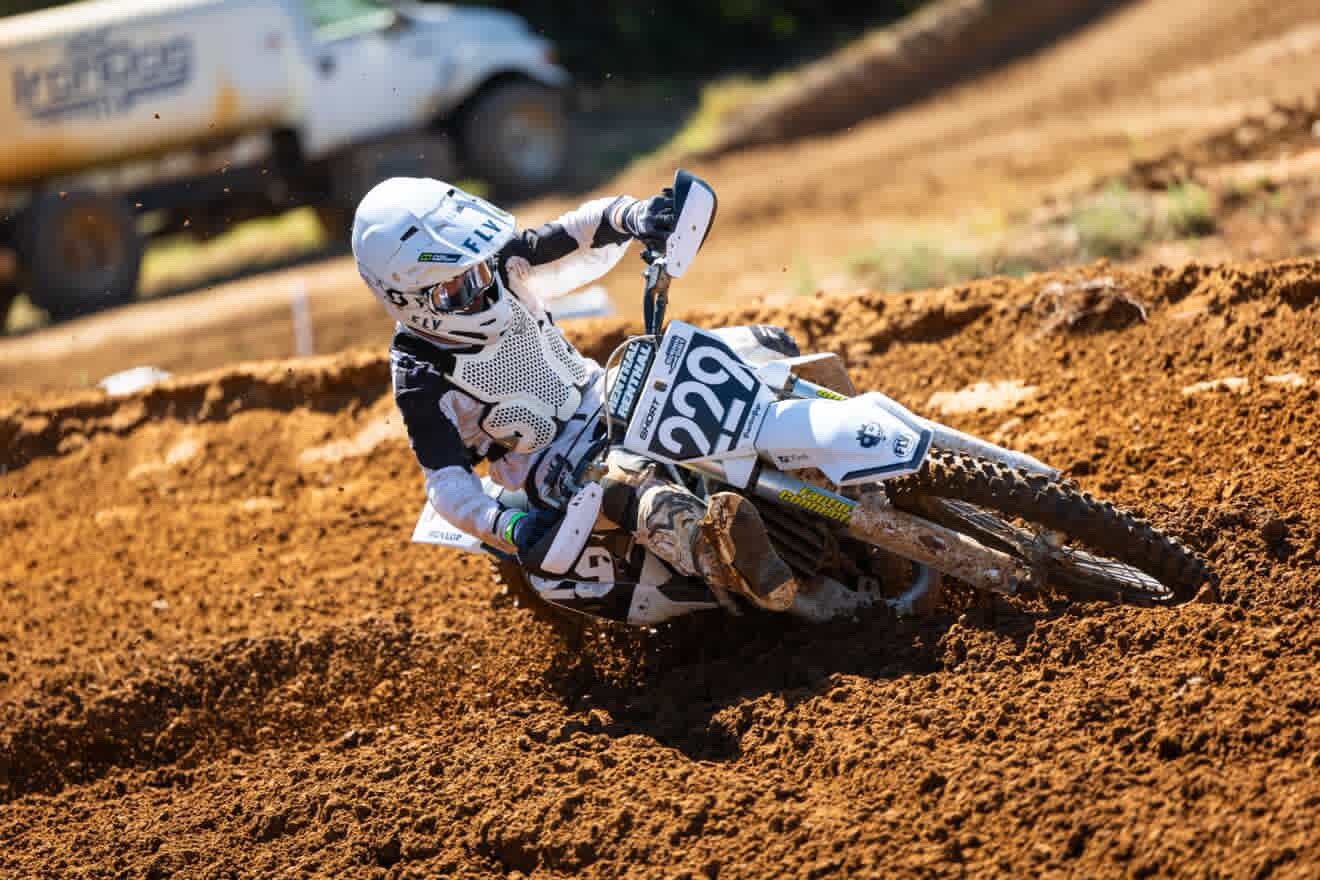
The Race Started Way Before the Gate Dropped
A rider can arrive at a big race with the bike dialed, fitness built, and preparation complete, then still underperform. Sometimes the problem isn't fitness, equipment, or preparation. Sometimes the race started long before the gate dropped.
Your Fitness Didn’t Disappear. Summer Showed Up.
If your heart rate spikes, your power drops, and summer riding suddenly feels like you lost all your fitness… you probably didn’t. Heat changes the cost of the work, and moto makes that cost worse than most sports.
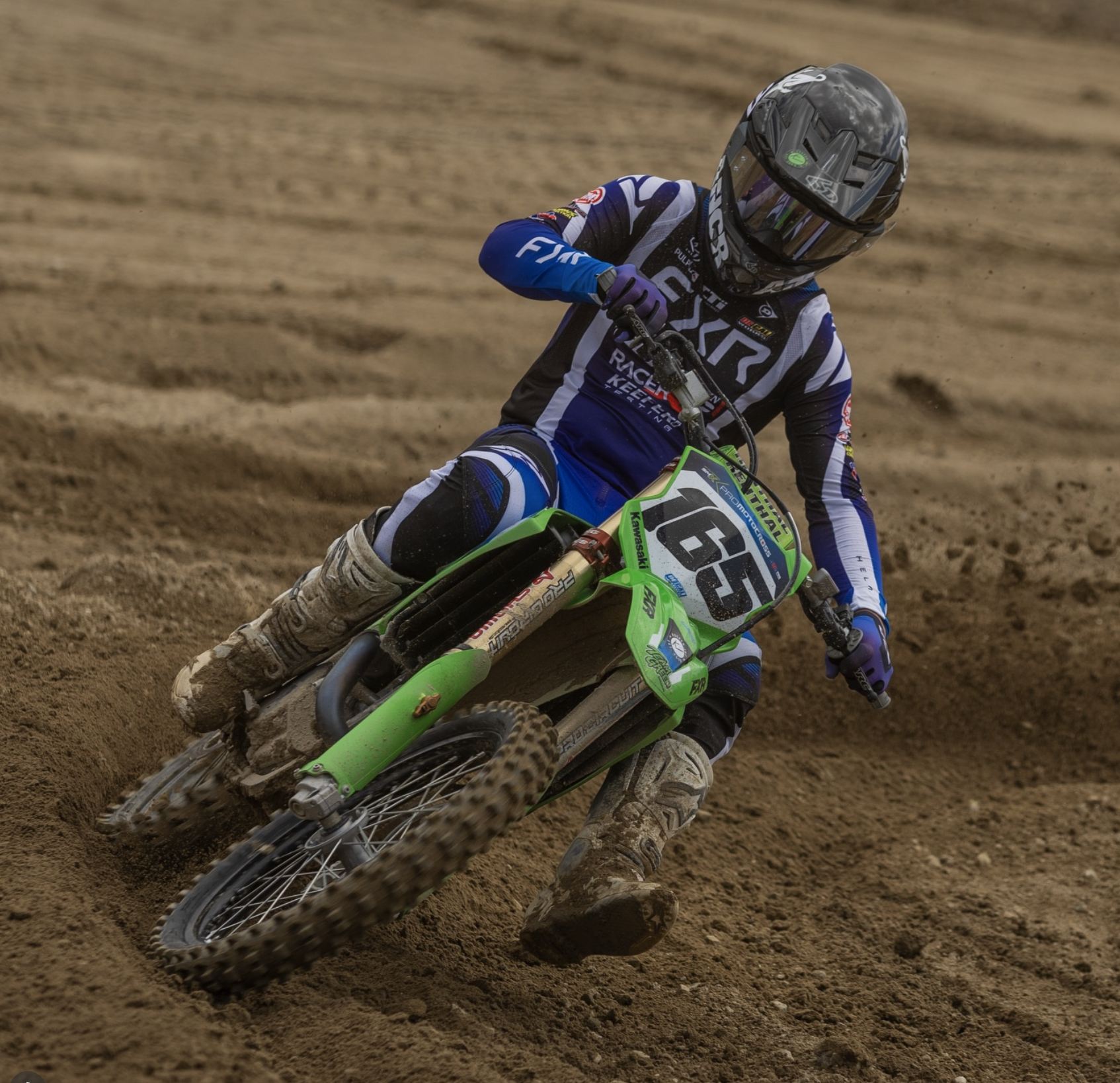
Did Fatigue Build, or Did It Arrive?
Not all fatigue means training is working. The right kind builds across days, clears with planned recovery, and lets you come back stronger. The wrong kind just shows up and starts stealing sessions.
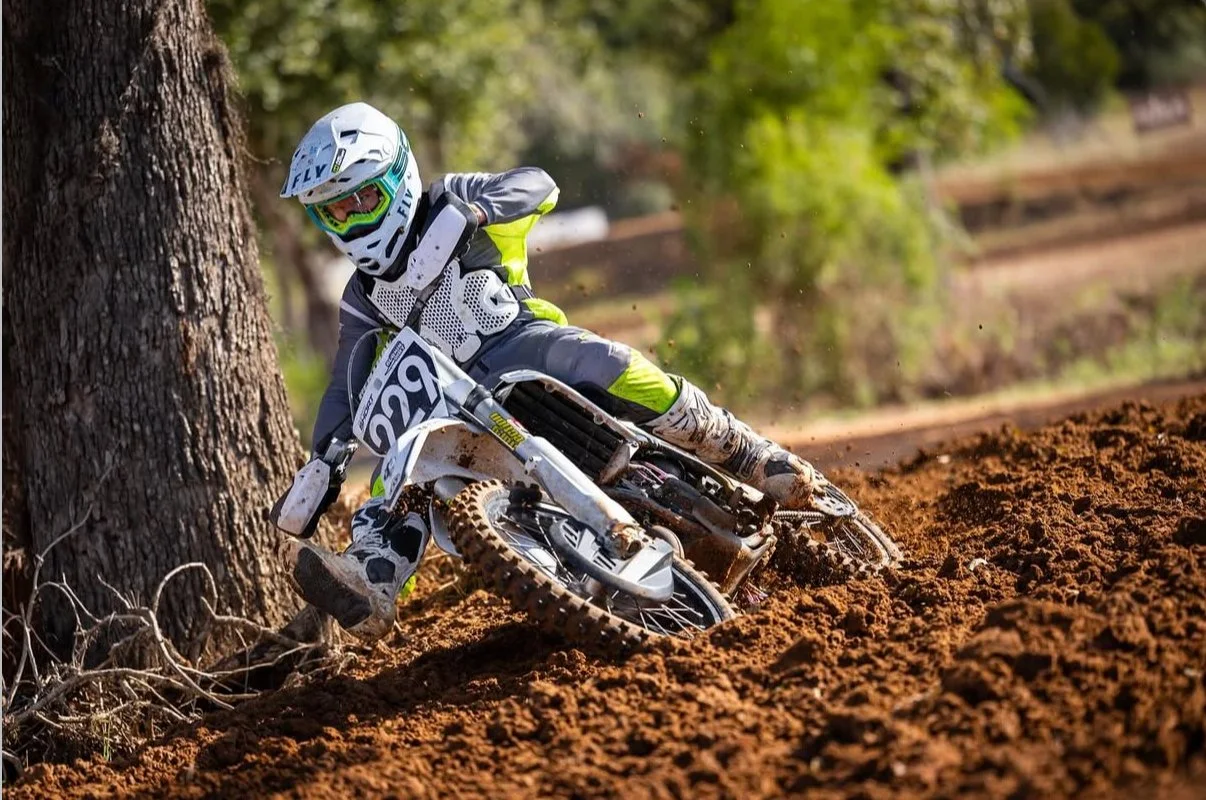
Close the Damn Gap
Most riders do not have a motivation problem. They have a friction problem. The gap between deciding to ride and actually riding is where consistency falls apart.
Discipline vs. Desire
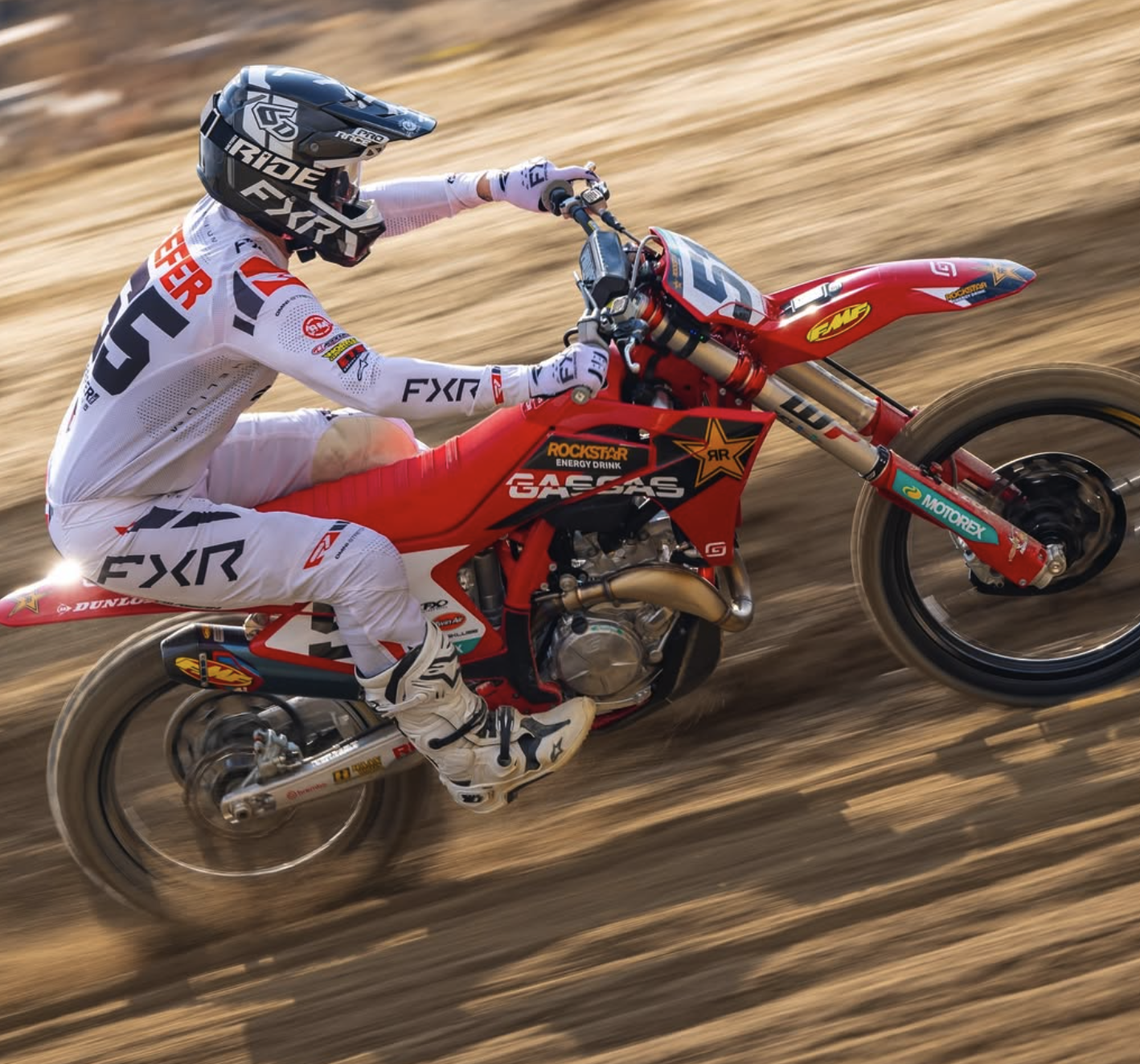
Most riders think discipline means pushing harder. It doesn’t. Real discipline is matching the session to your condition so support work helps your riding instead of stealing from it.
The Injuries You Can Prevent Aren’t Crashes
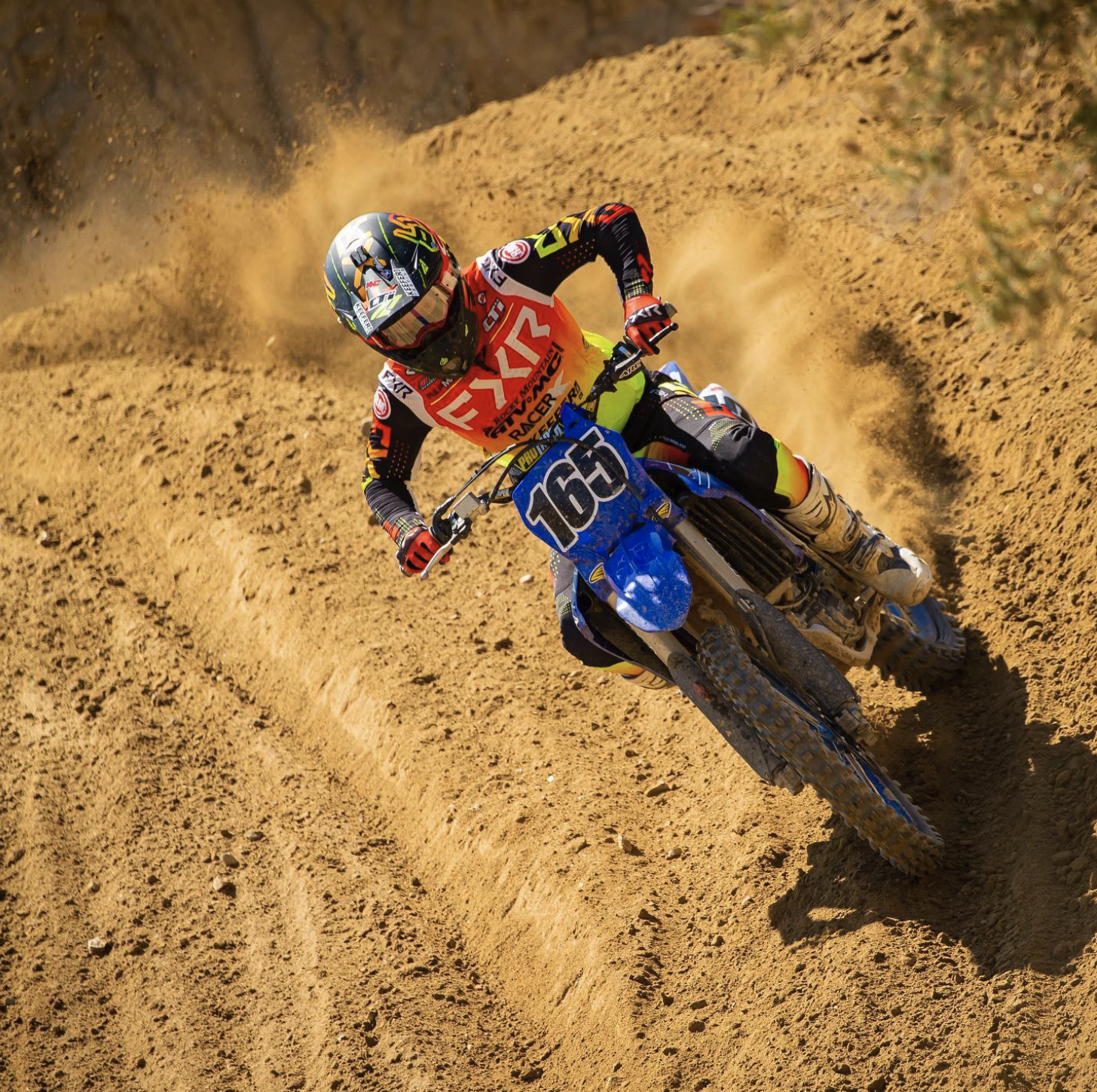
Some injuries happen in a crash. Others build slowly, show up early, and get ignored until they force time off the bike.
It’s Not Your Fitness, It’s Your Head
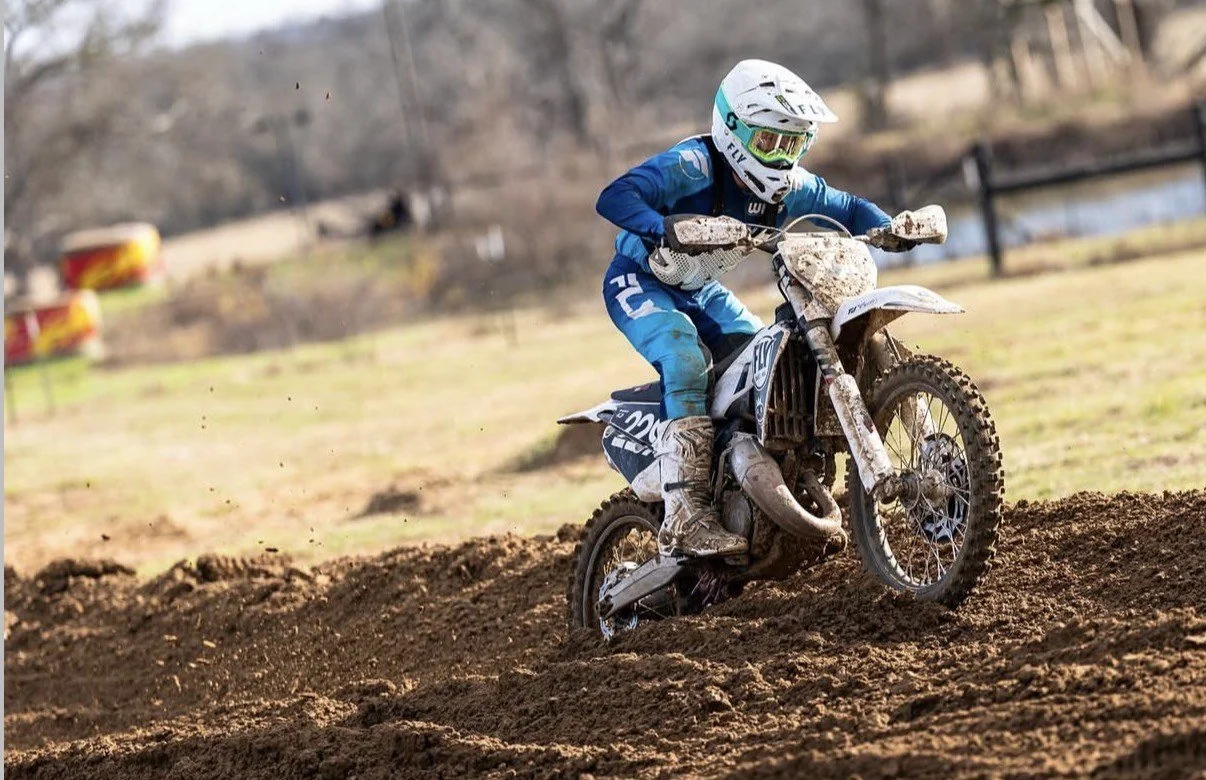
Most riders think they need more fitness. A lot of the time, the real limiter is where their attention goes when things start changing on the bike.

Getting Back Into Moto: Why the First Two Weeks Feel Brutal
Even riders who stay fit through cycling, climbing, or gym training are often shocked by how hard motocross feels when they return after time away. The first couple of weeks back on the bike can feel brutal—but there’s a reason for that.
It’s Not the Bike
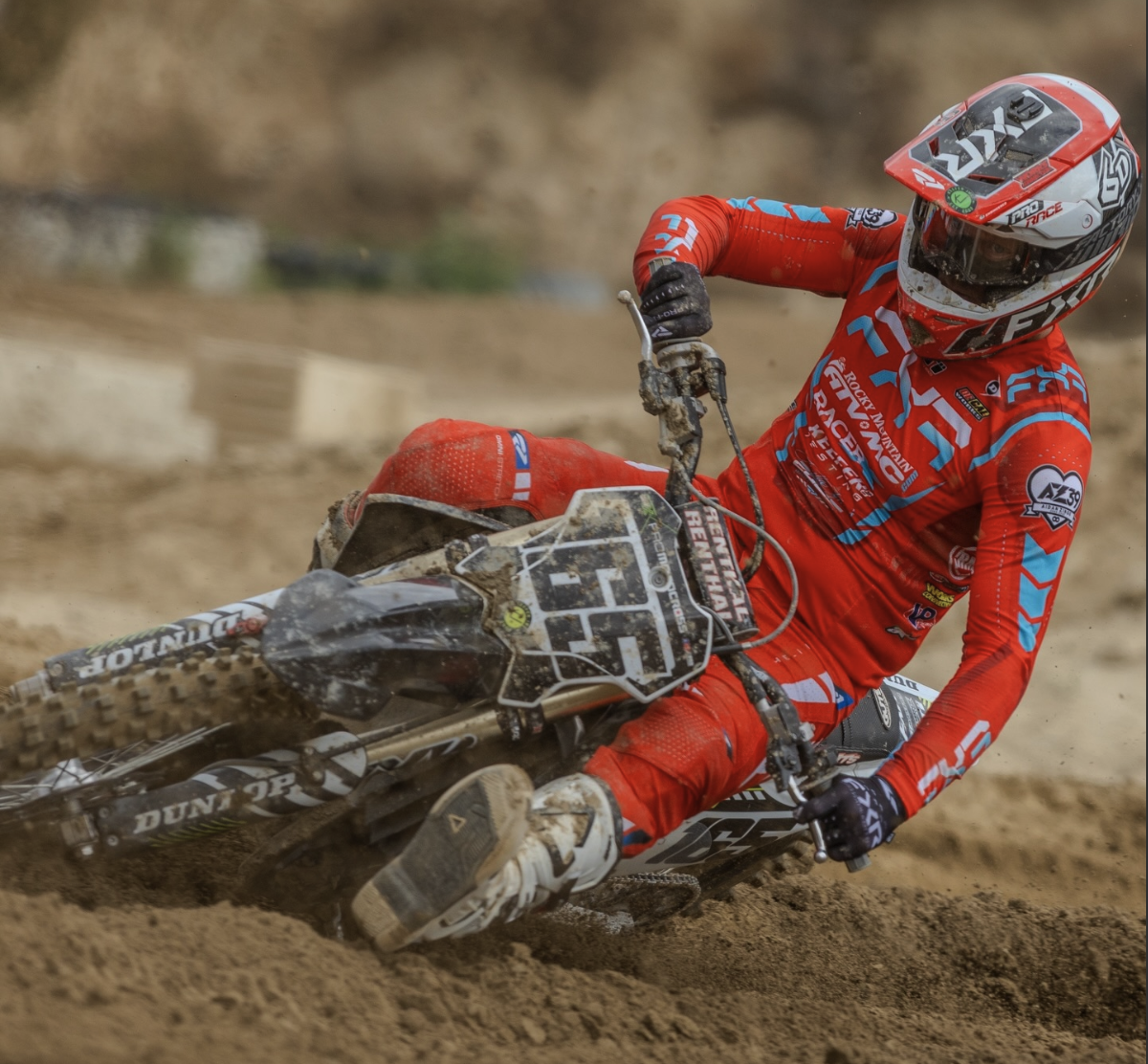
Most riders want to believe the next part will fix the problem. It usually won’t. This Coach’s Cut breaks down why rider skill, fitness, setup, and decision-making matter more than chasing a better bike.
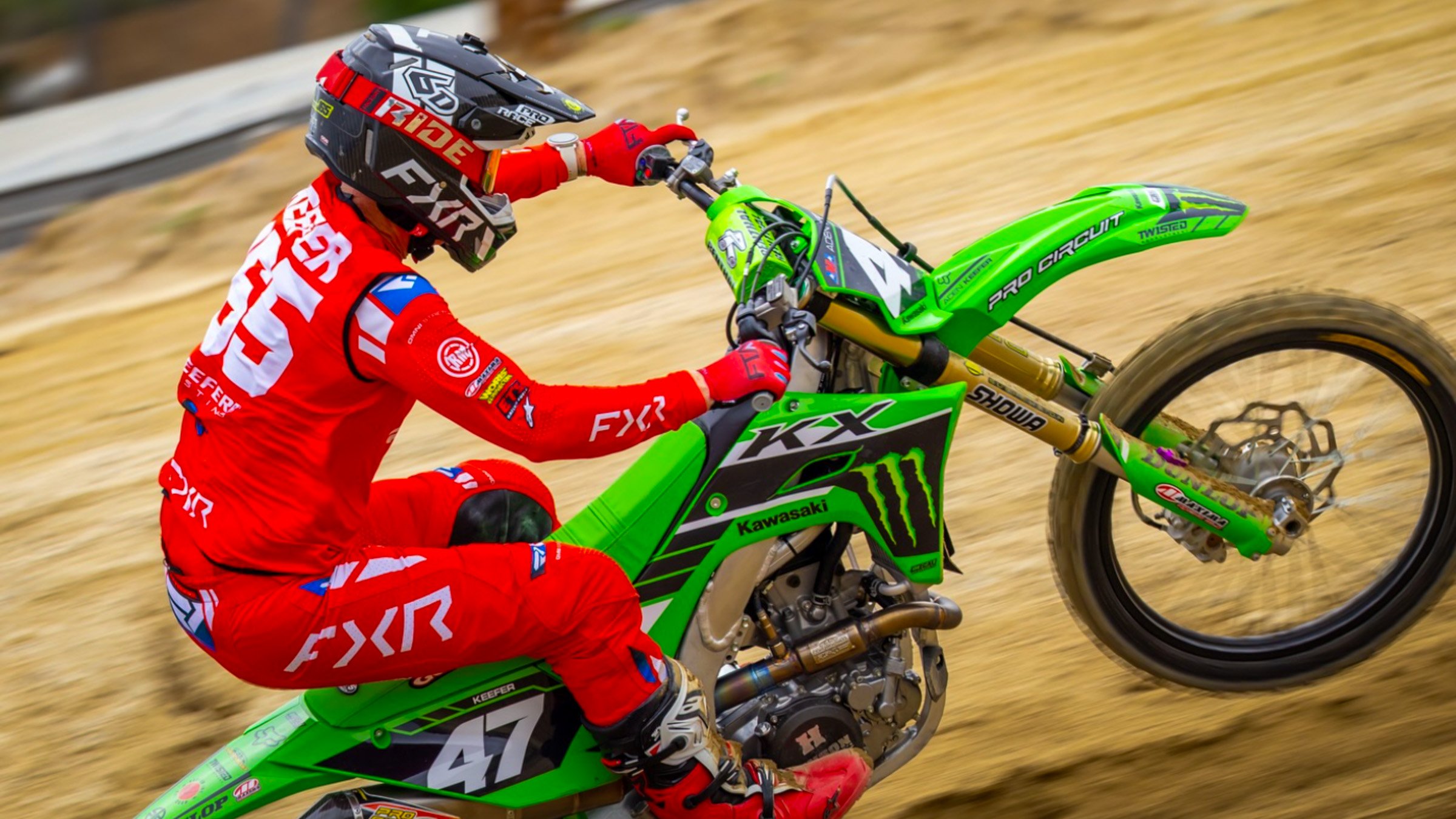
Tough Riders Get Hurt. They Don’t Win Seasons.
Most motocross injuries don’t happen in championship moments. They happen on ordinary practice days when warning signs were ignored. Here’s the difference between racing hurt and training dumb.

Sauna and Cold Plunge: Stress That Helps — or Stress That Hurts
Sauna and cold plunging aren’t automatic recovery. They’re stress. Used well, they support adaptation. Used blindly, they blunt gains and overload your nervous system.

You Got “Strong.” But Did You Get Faster?
If your plan is just stacking plates, you’re training one lane. Moto needs tissue tolerance, force, power, and durability—built in phases.
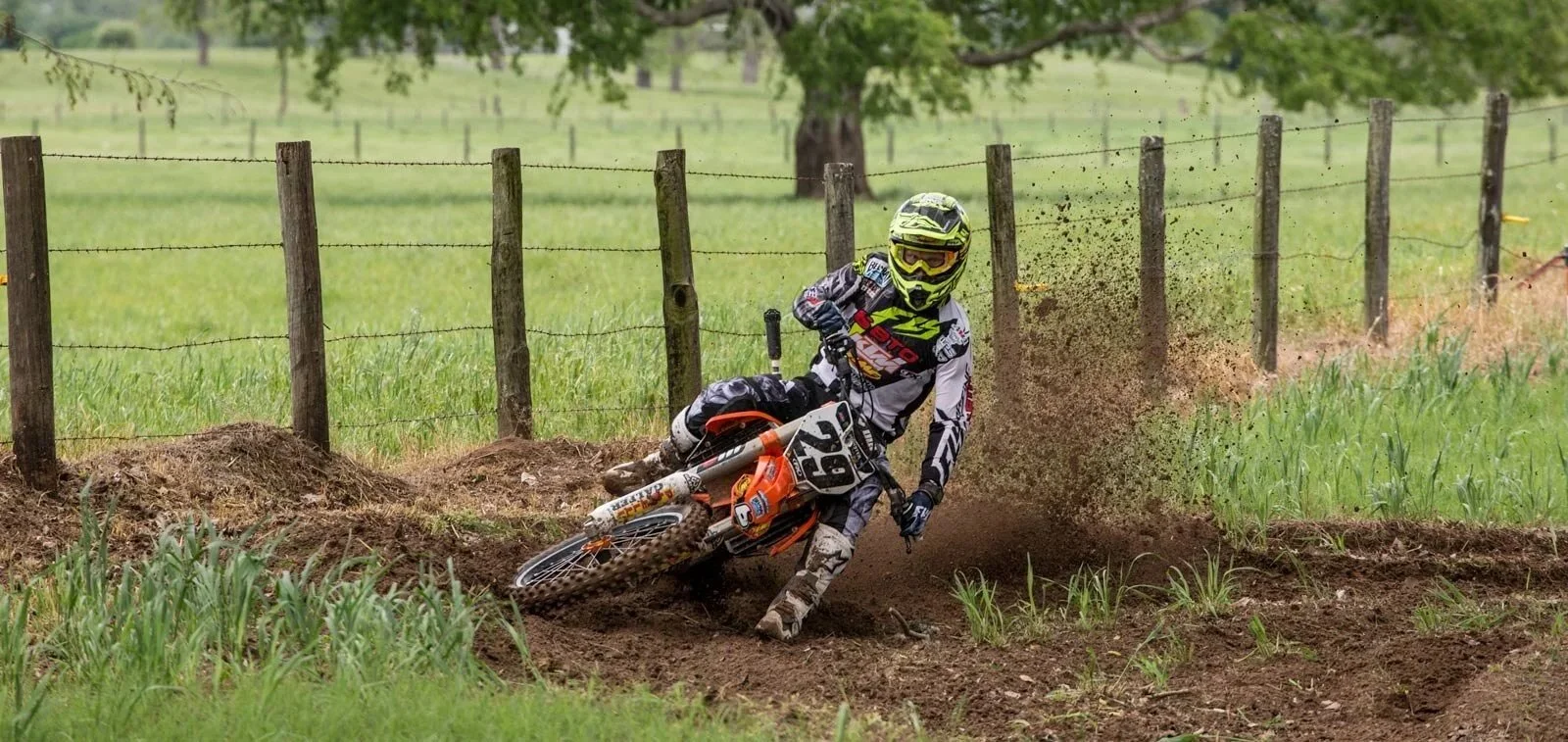
Why Online Coaching Works for Moto
Motocross has a bias: if a coach isn’t at the track, it’s not “real.” But real coaching isn’t a template — it’s a feedback loop. Online coaching works when it makes your week repeatable, catches bad load decisions early, and keeps training serving the riding instead of competing with it.
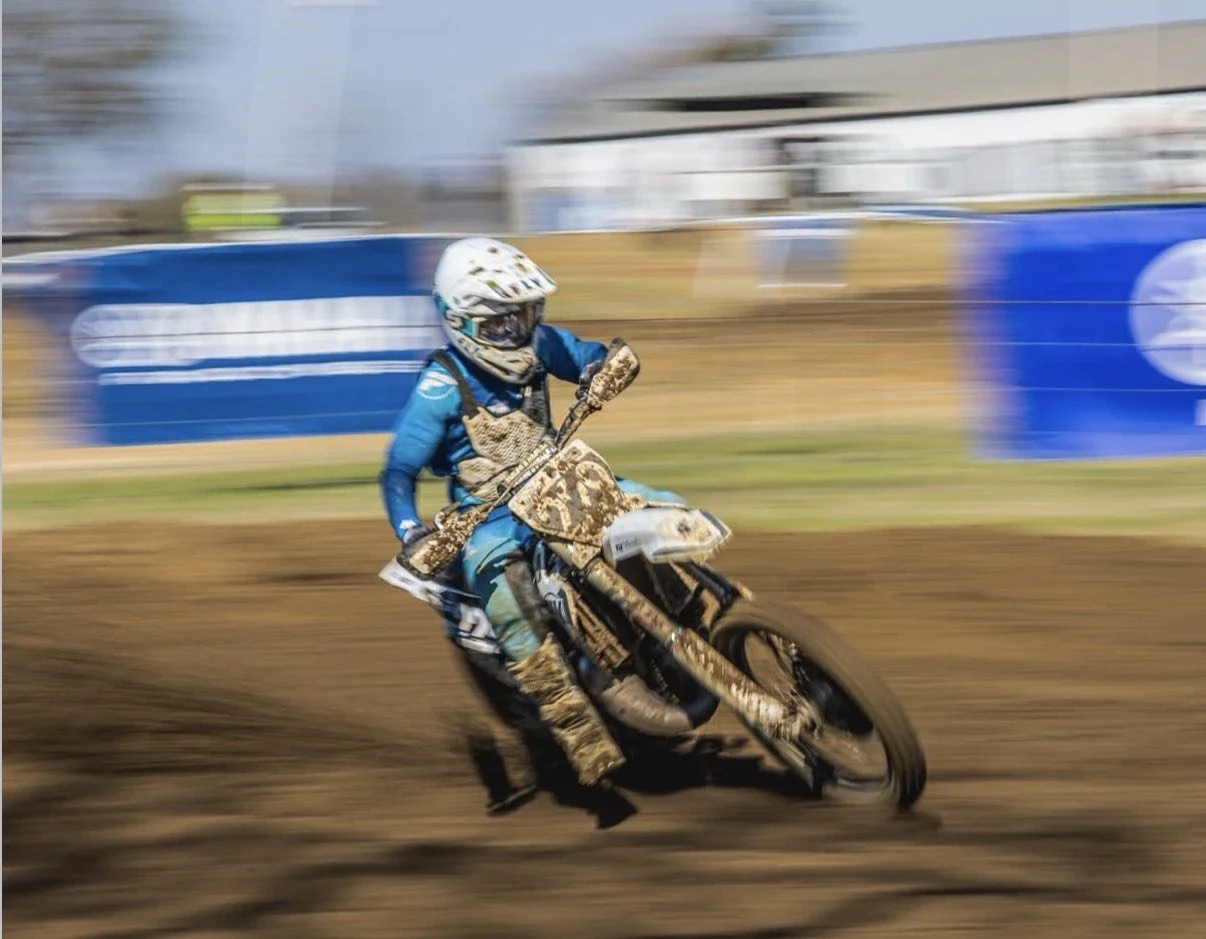
The Two-Lap Lie: How Early Speed Steals Your Best Moto
Two good laps can be the worst thing that happens to your pacing. This piece explains the “Two-Lap Lie” — how early traction and adrenaline make speed feel cheap, trick you into spending intensity too soon, and quietly ruin the rest of the session. Learn a simple layering model to build speed in sections, earn the next gear with repeatable reps, and save your matches for when the track gets rough and fatigue shows up.
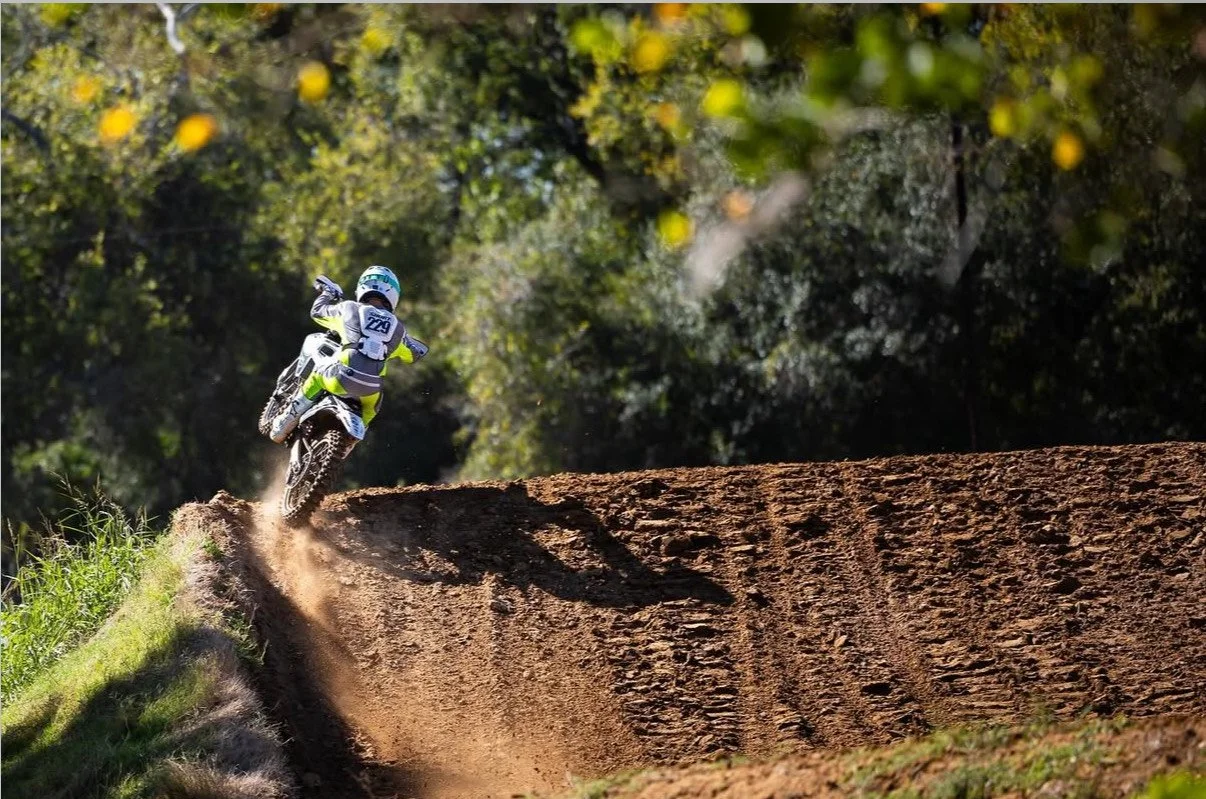
Motocross Annual Training Plan: How to Plan A, B, and C Races for a Full Season
Training without an annual plan is how riders end up forcing intensity at the wrong time and showing up to races tired, flat, or burned out. This step-by-step Annual Training Plan checklist helps you sort A/B/C races, set process goals, pick your key limiters, and build simple rules for race weeks so your training and racing stay pointed in the same direction all season

Weekday Training for Weekend Riders: You’re Not a Pro, So Train Like It
Weekday riders don’t need a pro schedule — they need training that transfers to the weekend without overdrafting recovery. This article breaks down the stress math and the three pillars that matter most (aerobic engine, real durability/on-demand power, and mobility/stability) plus simple rules for when to push, when to downshift, and how to keep weekend riding fun instead of survival.

Stop Paying Twice – Don’t Train When Your Body is Still Fighting
Training while you’re still sick doesn’t make you tough — it just delays real progress. This Coach’s Cut lays out a simple YES/NO rule to decide when you can train, what to do instead when you can’t, and a return-to-training ladder that rebuilds duration first and intensity last so you don’t pay twice.