
Sauna and Cold Plunge: Stress That Helps — or Stress That Hurts
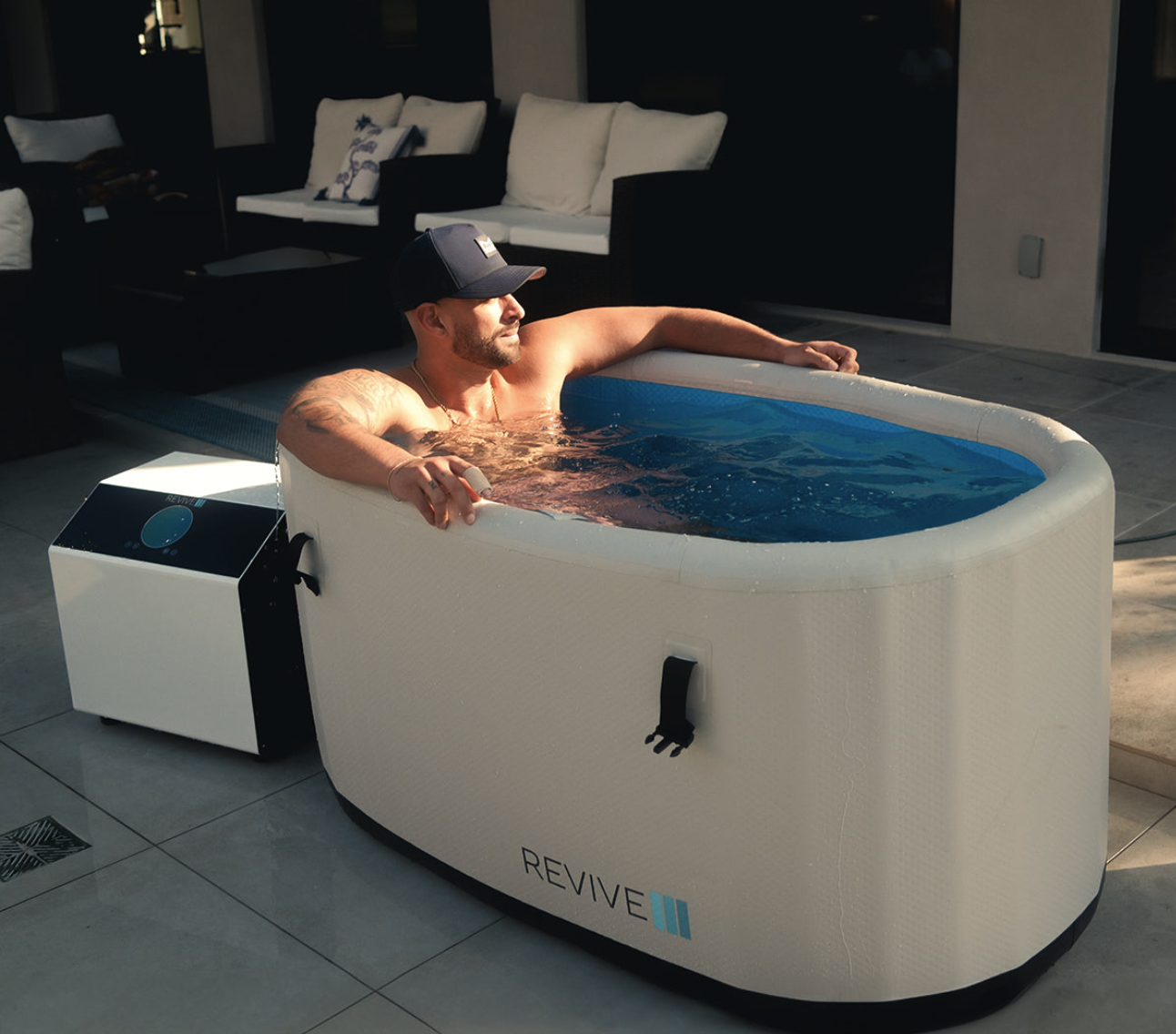
Everyone online treats sauna and cold plunging like automatic recovery. The message is simple: do hard things, get resilient, repeat daily. It sounds disciplined, and it looks disciplined, but that doesn’t make it universally smart.
Heat and cold are stressors. They can produce adaptation. They can also interfere with it. If you train seriously — or you’re carrying real-life stress — the difference matters.
Both sauna and cold exposure are hormetic stressors. That means they create controlled stress to trigger a beneficial response. Cold exposure causes an immediate sympathetic spike, a surge in norepinephrine, vasoconstriction, and a rapid drop in tissue temperature. It also increases cold-shock proteins, such as RBM3, which are involved in cellular protection and repair. Sauna elevates core temperature, raises heart rate (sometimes into what looks like Zone 2), increases heat shock proteins, and can expand plasma volume over time.
Both begin as stress. Any recovery benefit comes from what happens after. Recovery is not the stimulus. Recovery is the rebound.
A Quick Nervous System Primer: Sympathetic vs Parasympathetic
If you’re going to use sauna and cold exposure intelligently, you need one basic concept.
Your sympathetic nervous system is the gas pedal. It mobilizes energy, elevates heart rate and blood pressure, increases alertness, tightens focus, and prepares you to perform
Your parasympathetic nervous system is “restore mode.” It supports digestion, repair, and immune function, and downshifts your heart rate. It’s the side of the system that lets you actually recover.
The trap is thinking you can add more “go” inputs and somehow get more “restore” output. Sauna and cold plunge can lead to parasympathetic rebound in the right person at the right time. They can also keep you stuck in “go mode” if your baseline is already loaded.
Strength and Hypertrophy: Don’t Blunt the Signal
After resistance training, you want a controlled inflammatory response. Acute inflammation is part of the remodeling signal that drives hypertrophy and strength gains. It activates satellite cells. It contributes to the signaling cascade that tells the body, “Rebuild this tissue stronger.”
Cold exposure reduces tissue temperature, blood flow, and inflammatory signaling. That’s useful when your goal is short-term readiness. It’s less useful when your goal is long-term muscle growth.
Research has shown that regular post-lift cold-water immersion can attenuate anabolic signaling and reduce long-term strength and muscle mass gains compared with active recovery. Other reviews suggest that habitual cold immersion after resistance training may impair hypertrophy adaptations.
That doesn’t mean cold plunging “kills your gains.” It means timing matters. If you’re in a hypertrophy or maximal strength phase, making ice baths a ritual immediately after every lift may be working against the adaptation you’re trying to create.
Reducing soreness is not the same as improving adaptation. Feeling better tomorrow is not always the same as getting stronger next month.
Endurance and Heat Adaptation
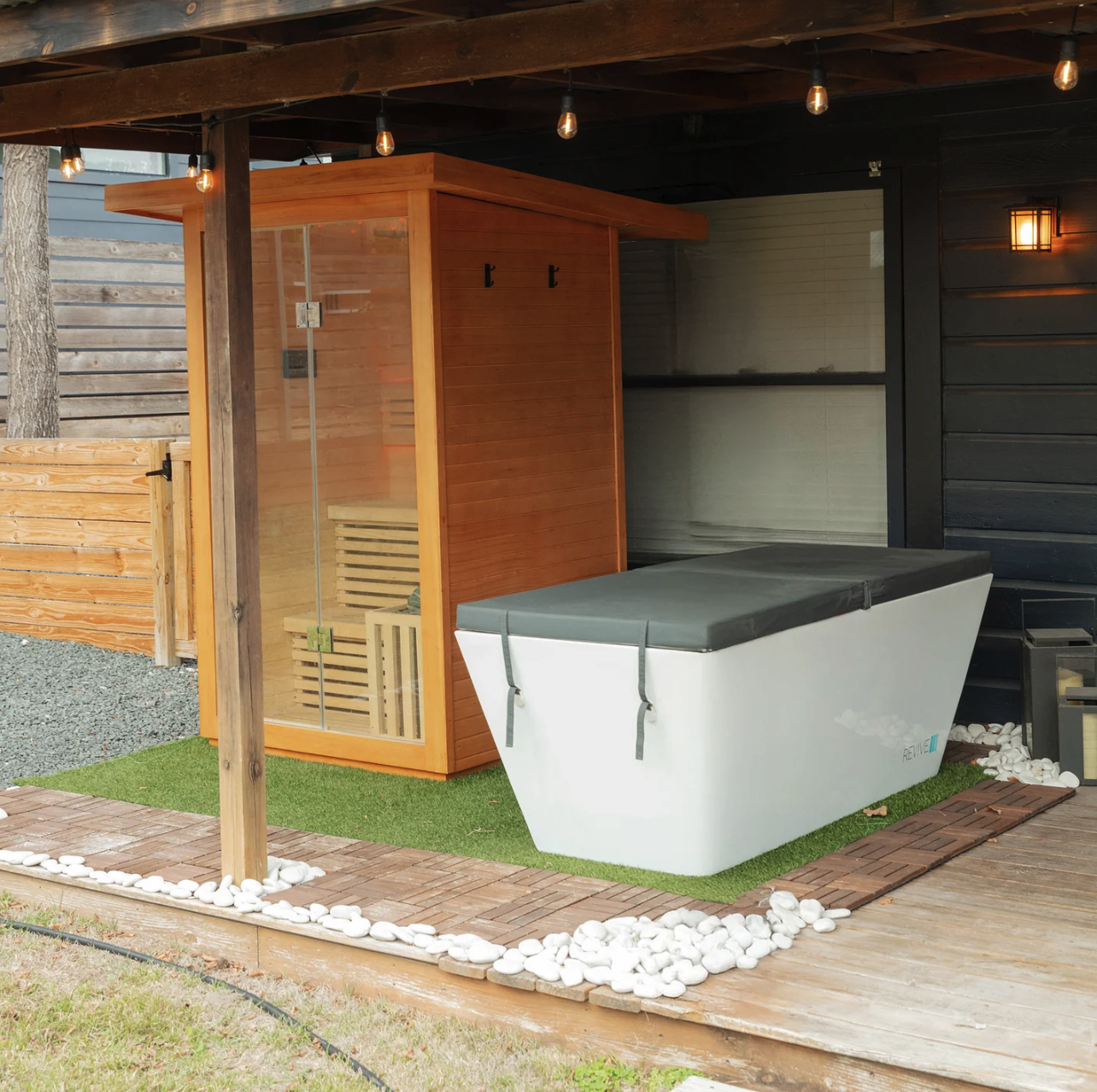
Sauna is a different conversation. Heat exposure appears to support endurance adaptation. Post-exercise sauna use has been associated with improvements in endurance performance, likely through plasma volume expansion and improved thermoregulation. Large observational studies from Finland show strong associations between frequent sauna use and reduced cardiovascular mortality. Observational is not causal, but the signal is consistent.
Heat exposure increases the expression of heat shock proteins, which assist in cellular repair and stress tolerance. It can improve tolerance to high training loads in endurance athletes and may enhance heat adaptation when used strategically.
If you’re in an endurance-focused block, sauna may support the adaptation you’re chasing. If you’re chasing muscle mass, cold timing deserves more scrutiny than heat.
The Nervous System Piece Everyone Skips
The physiology of adaptation is only half the story. The nervous system is the other half, and this is where wellness advice can fall apart.
Cold plunging is a sympathetic hit. Sauna is also activating before any parasympathetic rebound occurs. If your resting heart rate is elevated, your HRV is suppressed, your sleep is unstable, and you’re carrying significant life stress, adding more stress does not magically build resilience. It increases the total load.
Instagram wellness culture often sells stimulation as recovery. A 5 a.m. cold plunge feels disciplined. A hard sauna session late at night feels earned. But if you’re already wired, those inputs can push you further into sympathetic dominance. You might fall asleep exhausted and still wake up unrested. You might see resting heart rate drift upward and recovery metrics flatten.
Cold shock proteins and heat shock proteins are real. Hormesis is real. But hormesis works within limits. If the system cannot absorb the stressor, you don’t get a beneficial rebound. You get cumulative fatigue.
The right question isn’t “Is this healthy?” The right question is “What is my current load?”
How I Use Them
I use both sauna and cold exposure, but not as rituals and not as identity markers.
If I’m in a strength-focused phase, I avoid immediate post-lift cold immersion. I want the inflammatory signal and the anabolic cascade to run their course. If I’m in an endurance block, sauna in the afternoon or early evening can make sense, help my heat tolerance and recovery from longer aerobic sessions, and enhance that night’s sleep.
If my sleep is fragile or life stress is high, I’m cautious with both. Late sauna sessions have hurt my sleep before. Cold has left me wired instead of calm on certain days. That’s not theory; that’s data from my own body. When something disrupts sleep or elevates next-day resting heart rate, it’s stress, not recovery.
The trend doesn’t get a vote. My state does.
A Practical Filter
If your goal is hypertrophy or maximal strength, avoid habitual immediate post-lift cold immersion.
If your goal is short-term turnaround during competition or multi-day events, cold can reduce soreness and perceived fatigue.
If your goal is endurance development, sauna may enhance adaptation.
If your nervous system is overloaded — poor sleep, high stress, elevated resting heart rate — be cautious with both.
If a session improves sleep quality, stabilizes resting heart rate, and leaves you calmer the next day, it’s likely serving you. If it disrupts sleep or increases physiological strain, it’s adding load.
Quit Using Stress to Fix Stress
Heat and cold are powerful tools. Used intelligently, they can build resilience and support performance. Used blindly, they become another layer of stress stacked onto an already loaded system.
Resilience isn’t built by accumulating hard inputs for social proof. It’s built by applying stress when the body can adapt and backing off when it cannot.
Recovery isn’t about doing more hard things. It’s about managing total load with intent.
Seiji Ishii coaches endurance and moto athletes with a simple bias: performance that lasts beats “hardcore” habits that look good on social media. If you want a plan that matches your life stress, your training phase, and your recovery capacity, book a free 15-minute call or email me with what you’re training for and what keeps derailing your recovery.
References
Fyfe, J. J., Broatch, J. R., Trewin, A. J., et al. (2019). The effect of post-exercise cold water immersion on adaptations to resistance training: A review. Sports Medicine, 49(2), 209–225.
Laukkanen, T., Khan, H., Zaccardi, F., & Laukkanen, J. A. (2015). Association between sauna bathing and fatal cardiovascular and all-cause mortality events. JAMA Internal Medicine, 175(4), 542–548.
Peake, J. M., Neubauer, O., Della Gatta, P. A., & Nosaka, K. (2017). Muscle damage and inflammation during recovery from exercise. Journal of Applied Physiology, 122(3), 559–570.
Roberts, L. A., Raastad, T., Markworth, J. F., et al. (2015). Post-exercise cold water immersion attenuates acute anabolic signalling and long-term adaptations in muscle to strength training. The Journal of Physiology, 593(18), 4285–4301.
Scoon, G. S. M., Hopkins, W. G., Mayhew, S., & Cotter, J. D. (2007). Effect of post-exercise sauna bathing on endurance performance. Journal of Science and Medicine in Sport, 10(4), 259–262.