
The Race Started Way Before the Gate Dropped
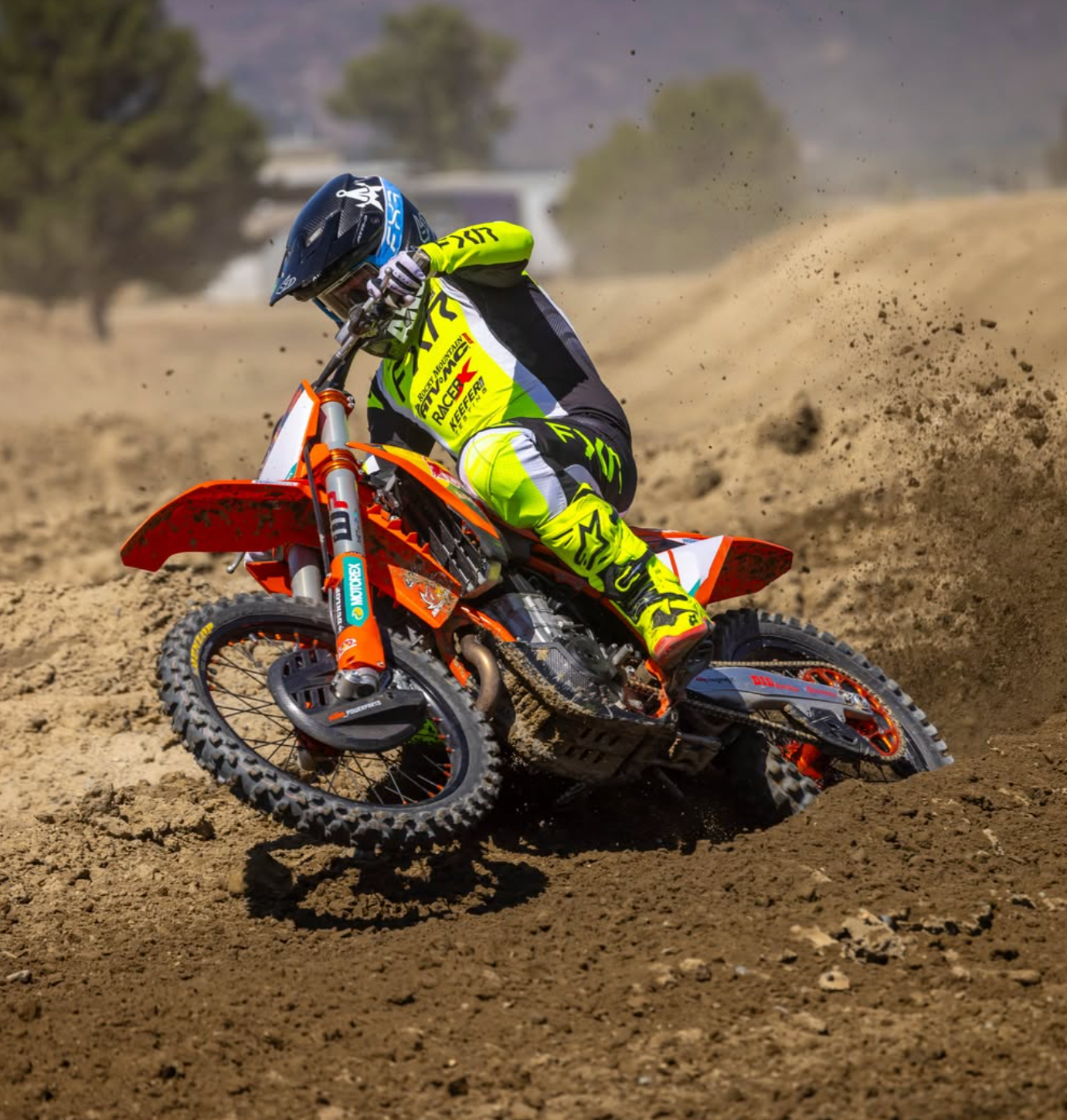
A lot of riders start racing mentally days or weeks before the gate drops, only to wonder why they have little left when it finally drops.
A client called me after a race recently, frustrated because he knew he should have ridden better.
What made the conversation interesting was that there wasn't an obvious problem to solve. The bike was good. His fitness was good. Practice had gone well. Travel and logistics had gone smoothly. He had done exactly what I would have wanted him to do in the lead-up to an important event. He got ahead at work, had the bike ready early, packed early, and minimized friction to make race weekend easy.
A few weeks earlier, we had been talking through his season and planning his calendar. This particular race mattered to him because it was being held at a track that hosts a National later in the year. Somewhere along the way, he decided that if he rode well, maybe it meant he should take a serious run at qualifying for a National.
Maybe it meant he still had another level available. Maybe it meant something about what he was capable of. Whatever the exact story was, it gradually became bigger than the event itself.
By Monday, he was already thinking about it. By Tuesday, he was thinking about it some more. He was preparing, which was good, but he was also carrying the event around with him. He thought about the competition, the opportunity, the possible outcomes, and what a good result might mean. By the time race day arrived, he had spent a tremendous amount of emotional energy on an event that hadn't happened yet.
As we talked about the weekend, something became obvious.
The race didn't start when the gate dropped.
The race started weeks earlier.
Pressure Doesn't Always Look Like Pressure
What's interesting is that this doesn't always look the same.
That same week, I heard about another experienced rider who physically fell apart under pressure. He got tight, got arm pump, rode defensive, and never looked comfortable. That's the version of pressure most riders recognize because it's visible. It's easy to point at and say, "He got nervous."
My client was different.
Practice was good. The speed was there. The bike felt good. He wasn't nervous in any obvious way. He just didn't have much spark when it mattered. No edge. No aggression. No real willingness to push. He wasn't riding scared. He was riding flat.
One rider got too amped up. The other seemed emotionally drained. Different symptoms, but I think the root cause was similar. Both had spent too much time carrying the race around before it ever happened.
Most riders think pressure only shows up as anxiety. Sometimes it does. Sometimes pressure shows up as emotional fatigue. The anticipation becomes more demanding than the event itself. You've spent so much time thinking about the race, imagining the race, talking about the race, and assigning importance to the race that by the time it arrives, some of the energy that should have been available on race day has already been spent.
I've seen the same thing outside of racing. Big presentations. Job interviews. First dates. Important meetings. People assume pressure always looks like panic, but sometimes it looks like a lack of enthusiasm. The event has occupied so much mental space that when it finally arrives, the reaction isn't anxiety. It's exhaustion.
The Work Was Already Done
This is where riders get themselves into trouble. They assume a big race requires something extra, so they keep adding things. More thinking. More analysis. More attention. More concern about outcomes.
The irony is that most of the factors that determine performance have already been set by race week. The fitness is already built. The motos are already done. The bike is already prepared. The sleep, nutrition, and training that matter have largely been handled.
By race week, the job is no longer to improve. The job is to trust.
That's difficult because thinking feels productive. Worrying feels productive. Running through every possible scenario feels productive. Riders convince themselves they're preparing when they're often just draining themselves. The race slowly takes up more and more mental space until they're carrying it everywhere they go.
Then they arrive at the event, wondering why they don't feel sharp, aggressive, and excited.
A lot of riders walk away from races like this looking for answers in fitness, bike setup, suspension settings, nutrition, or equipment. Sometimes those things matter. But big races rarely expose a lack of preparation from last week. More often, they expose whether a rider trusts the preparation that's already been done.
Stop Spending Saturday's Energy on Tuesday
The solution isn't to stop preparing. Preparation is good. Get ahead at work. Prep the bike early. Handle the travel. Reduce friction. Make race weekend as easy as possible. Do all of those things.
Then stop.
Stop rehearsing.
Stop running race scenarios through your head twenty times a day. Stop assigning new meaning to every possible outcome. Stop trying to squeeze one more percent out of something that's already been built.
Once the work is done, go live your life. Go to work. Go train. Go spend time with your family. Go think about something other than the race.
The race will still be there on Saturday.
One of the things I've learned from working with riders is that excitement, aggression, focus, and intensity are resources. They aren't unlimited. If you spend all week mentally racing, there's less available when it's time to actually race.
The goal isn't to convince yourself that the race doesn't matter. The goal is to arrive with enough emotional energy left to care when it counts.
Most riders think big races require something extra.
Most of the time, they don't.
The fitness is built. The bike is ready. The work is done.
Your job is to show up with enough energy left to use it.