
The Injuries You Can Prevent Aren’t Crashes
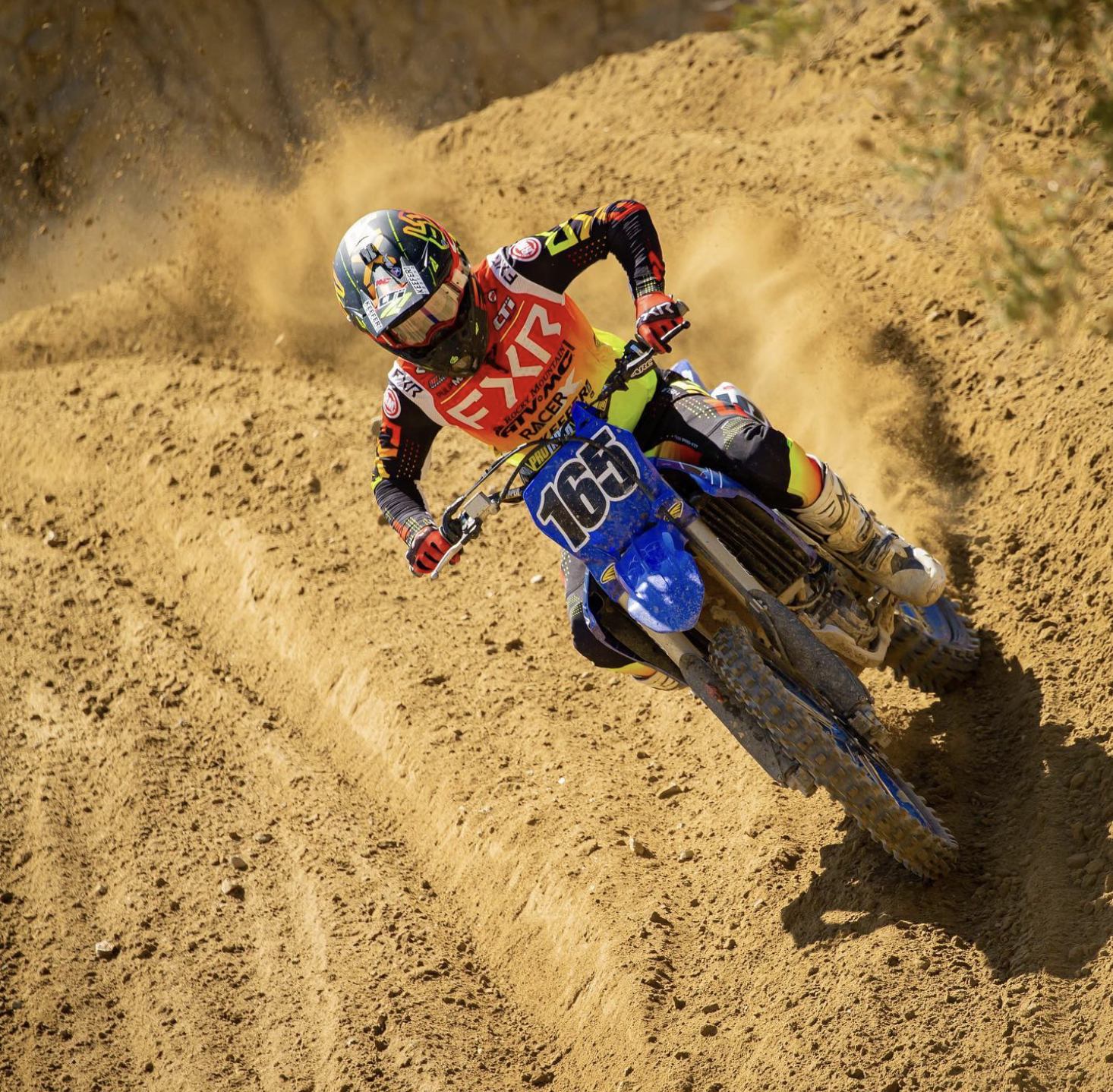
This Isn’t About Crashes.
Crashes are part of riding. Sometimes they happen, and there’s not much you can do about it. That’s always going to be there.
This is about something different. The injuries that don’t come out of nowhere. The ones that build over time, show up early, and give you a window to deal with them before they turn into something that takes you off the bike.
You feel something before it becomes a problem. A little tightness, something that only shows up in a certain position, or a movement that doesn’t feel the same as it usually does. It’s there, but it’s manageable, so it’s easy to keep going without changing anything.
That’s where this starts.
Pain Tolerance Isn’t the Skill
Riders take pride in being tough. Pushing through things, not backing off, being able to handle more than the next guy. That mindset helps, but it also creates blind spots.
Pain tolerance doesn’t tell you whether something is fine. It just tells you how long you can keep going without addressing it. If you’re good at ignoring discomfort, you can stay on something that’s slowly getting worse for a long time without it forcing your hand.
The problem is that by the time it forces you to deal with it, it’s no longer a small issue.
What Changes Is What Matters
These injuries don’t show up all at once. It’s usually something small at first, and because you can still ride, it doesn’t feel urgent. So nothing changes.
But under the surface, something already has. You start holding on a little tighter, avoiding certain positions, or adjusting your timing without really thinking about it. It’s subtle enough that you can keep riding, but it’s different.
That difference is the signal.
It’s not about how much something hurts. It’s about what it changes. If something is affecting how you ride, how you move on the bike, or how you control it, that’s the thing that matters. You can ride through soreness. Everyone does. But once you start compensating, you’re loading the wrong structures and tissues over and over again, and that’s what turns something small into something that sticks.
How It Builds
It usually doesn’t feel like a big deal while it’s happening.
Forearms get tight a little earlier than normal, so you hang on more instead of adjusting how you’re riding. A shoulder only hurts in certain positions, so you avoid those positions without fixing anything. Fatigue creeps in, and your timing is just slightly off, but not enough to stop.
You can still ride. You can still get through the day. Nothing is forcing a change.
But it builds, and the longer it goes on, the options you have to deal with it disappear, one by one.
When It Turns Into a Problem
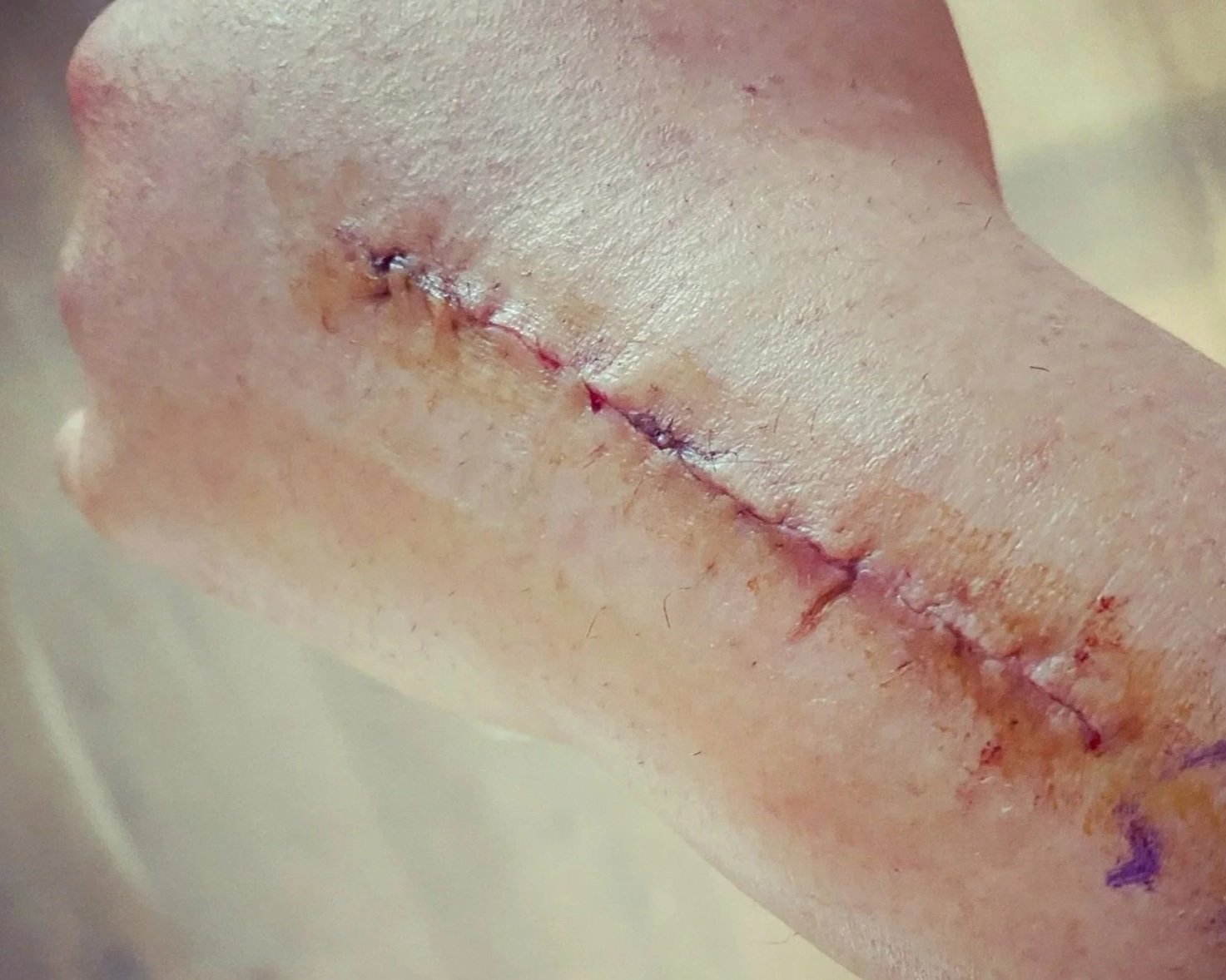
At some point, it crosses a line. What could have been handled with a small adjustment turns into something that needs time off the bike to fix.
That’s usually when it finally gets attention. Not because it wasn’t noticeable before, but because now it can’t be ignored.
There’s a big difference between making a small adjustment early and being forced into a full stop later. That’s the gap that driven athletes can fall into.
“I have scars all over my body from ignoring signs. My wrist felt funny for months, but I kept climbing anyways. Until I couldn’t. Don’t be me.” - Coach Seiji
When It Makes Sense to Push Through
There are times when you know something isn’t right and you keep going anyway. Late in a championship, a race that matters, a situation where the outcome justifies the risk. That’s part of high-level sport.
The difference is that those decisions are deliberate. You know what you’re feeling, you have a sense of what it’s going to cost, and you’re choosing to accept that tradeoff for something specific.
That’s not the same as ignoring something because it’s inconvenient or hoping it will go away on its own.
The Line
If you’re going to push through something, there should be a reason that holds up.
If there isn’t, you’re not making a decision. You’re just letting it slide.
What Keeps You Riding
The riders who stay consistent over time aren’t just tougher. They’re paying attention. They know what normal feels like, and when something shifts, they deal with it early.
Sometimes that means adjusting how they ride. Sometimes it means backing off for a short window. Sometimes it means fixing something off the bike before it turns into a bigger issue.
That’s how you stay on the bike.
One Rule
If a signal changes how you move, it matters.
You don’t get hurt because you’re weak. You get hurt because something changed, and you ignored it long enough that your body forced you to stop.
Tough isn’t pretending it’s not there. Tough is dealing with it early so you can keep riding.